Premium Cladding Choices for Your Home Makeover
Refurbishing a residence often starts with its exterior. High-quality siding services play an important role in enhancing both visuals and usefulness. Homeowners face a range of options, from vinyl to fiber cement. Each selection provides unique benefits and challenges. Understanding these factors is essential for making an informed decision. The effects of siding selection extend past aesthetics. What criteria should one weigh to assure lasting value and efficiency?
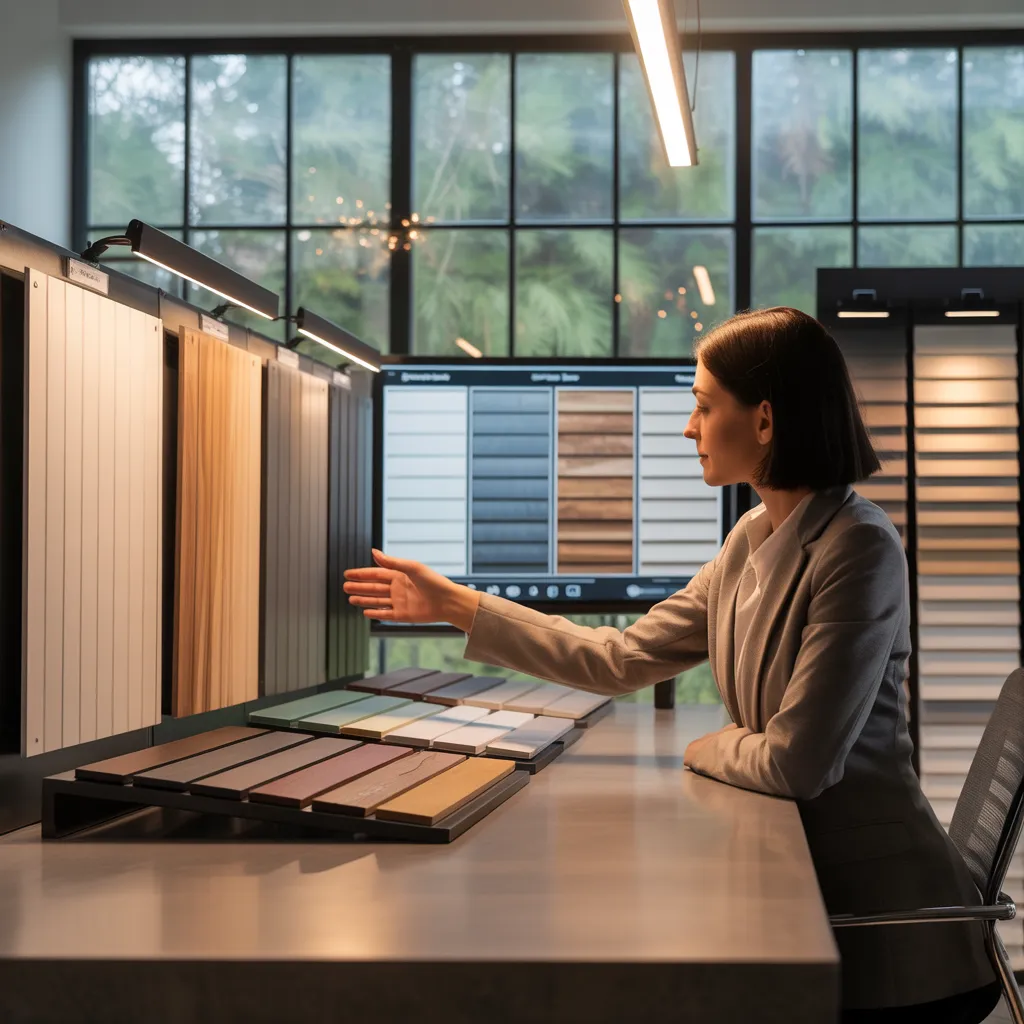
Professional Siding Importance for Your Home
Why does professional siding matter for a home? The quality of siding directly impacts a home's visual appeal, power conservation, and building integrity. Professional installation guarantees that the siding is applied correctly, reducing the risk of water leaks, fungal growth, and insect intrusions. Furthermore, professional siding services often include protective guarantees that safeguard the homeowner's investment, offering peace of mind from future damage.
Additionally, specialists come equipped with the expertise to handle different materials and local building codes, making sure of compliance and durability. Proper siding can additionally increase a home’s market value, rendering it more desirable to prospective buyers. In contrast, DIY installations may lead to costly errors and inferior results. Thus, investing in professional siding is essential for maintaining a home’s beauty and functionality, ultimately aiding a safer and more comfortable living environment.
Examining Diverse Siding Varieties: What Choice Is Perfect for Your Needs?
When assessing siding options, homeowners face a range of materials, each offering unique benefits. Vinyl siding is noted for its affordability and minimal maintenance, while wood siding delivers classic aesthetics that boost curb appeal. Meanwhile, fiber cement distinguishes itself for its outstanding durability and resistance to the elements, making it a practical choice for many.
Vinyl Siding Perks
Although homeowners often face a myriad of choices when selecting siding materials, vinyl siding stands out due to its unique combination of longevity and minimal upkeep. This material is resistant to rot, pests, and harsh weather, making it an ideal choice for various climates. In addition, vinyl siding comes in an broad selection of colors and styles, providing flexibility in design without the need for frequent repainting. Its affordability compared to other siding options makes it available for many homeowners, while a simple maintenance routine guarantees it remains aesthetically attractive over time. Moreover, vinyl siding contributes to thermal performance, helping to reduce heating and cooling costs. Overall, these benefits position vinyl siding as a attractive choice
Wooden Siding Design
While vinyl siding provides ease of maintenance, wood siding captivates with its inherent charm and perpetual elegance. The abundant richness and inviting character of wood craft an inviting atmosphere, enhancing a home's visual appeal. Accessible in various species, like cedar, pine, and redwood, wood siding enables homeowners to customize their aesthetic preferences. Its versatility can complement different design approaches, from traditional homes to contemporary styles. Furthermore, wood siding can be finished or colored to secure the desired look, fostering extended personalization. Still, the unique grain patterns and natural variations in color offer a singular essence that manufactured alternatives often miss. Therefore, wood siding proves to be a preferred option for those wanting an beautiful, natural aesthetic for their homes.
Fiber Cement Reliability
Fiber cement siding is known for its outstanding durability, making it a strong contender in the exterior market. Made from a combination of cement, sand, and cellulose fibers, it guards against rot, warping, and insect damage. Unlike wood, fiber cement does not fall prey to moisture-related problems, ensuring long-lasting performance even in tough climates. Its resistance to discoloration and cracking also improves its longevity, requiring minimal upkeep over the years. Moreover, it can be painted in different colors, allowing homeowners to modify aesthetics without losing durability. This combination of strength and flexibility makes fiber cement siding a perfect pick for those wanting both form and function in their home improvement projects.
How Siding Boosts Energy Efficiency and Comfort
Siding functions as an key factor in maximizing a home's fuel economy and comfort. Its insulation value can substantially cut down heat loss, while state-of-the-art air infiltration control techniques help establish a uniform indoor environment. As a result, homeowners can enjoy minimal utility costs and heightened overall comfort.
Siding's Thermal Qualities
A well-insulated home can significantly increase both energy performance and comfort. Siding is key in ensuring this by providing an extra layer of insulation. Various siding materials, such as insulated vinyl or fiber cement, are engineered to reduce heat transfer, keeping homes warmer in winter and better cooled in summer. This thermal barrier minimizes the effort required from heating and cooling systems, resulting in lower energy bills. Additionally, the insulation properties of siding support a more consistent indoor climate, improving overall comfort. By opting for high-quality siding with outstanding insulation, homeowners can enjoy a more energy-efficient residence while also getting benefits from noise reduction and durability improvements. These factors make siding a wise investment in home improvement.
Solutions for Air Leakage Reduction employ reliable techniques
Preventing air leakage is crucial for improving energy efficiency and comfort within a home. Proper siding installation plays a pivotal role in this process. Quality siding materials, such as fiber cement or vinyl, often include interlocking designs that minimize gaps, decreasing the potential for air infiltration. Additionally, employing effective sealing methods, like caulking and weather stripping, strengthens the barriers against unwanted drafts. Insulation documentation behind the siding also contributes greatly by maintaining a stable indoor temperature. Regular maintenance, including inspections for cracks and wear, guarantees that the siding continues to perform at its best. By addressing air leakage through thoughtful siding choices and meticulous installation, homeowners can achieve substantial energy savings and improved indoor comfort year-round.
Which Criteria Matter Most in Energy-Saving Siding Materials?
When assessing high-performance exterior cladding, homeowners frequently ponder which vital features warrant priority. Insulation value represents essential criteria; siding featuring a high R-value shows better thermal resistance, which helps keeping internal climate stable. Homeowners must also evaluate materials resistant to moisture and mold, as these factors can undermine thermal performance eventually.
Another key feature is the siding's ability to reduce air infiltration. Materials with tight seams and interlocking panels can minimize drafts. Additionally, mirror-like surfaces that bounce sunlight can help keep homes cooler in the summer.
Ultimately, sustainable materials that foster sustainability can prove beneficial. Selections including fiber cement or engineered wood offer both durability and enhance energy efficiency. By reviewing these considerations, homeowners can make informed decisions that lead to lower utility bills and a more comfortable living environment.
Basic Elements for Selecting the Right Siding Material
Selecting the appropriate siding material involves several key considerations that go beyond energy efficiency. Homeowners should emphasize strength, as materials like vinyl or fiber cement can withstand harsh weather conditions. Aesthetic appeal is also essential; the siding should complement the home's architectural style while matching personal taste. Maintenance requirements vary greatly among materials; wood may require frequent refinishing, whereas vinyl typically demands less upkeep.
Pricing constitutes another key consideration, spanning both initial capital and continuing expenses. Green solutions, such as restored timber or recycled materials, may captivate ecologically conscious homeowners. In addition, regional climate patterns should govern your decision, with specific products functioning well in distinct climates. Finally, homeowners should reflect on the supply of siding varieties available in their community, as this will affect both selection and installation processes. Exercising careful judgment will promise that the chosen siding improves both the home's market value and curb appeal.
Why Professional installation Is Important in Siding Lifespan
Proper installation is essential for ensuring the longevity of siding materials. When siding is installed correctly, it creates a secure shield against weather elements, reducing the risk of harm from moisture, wind, and pests. Misalignment or faulty sealing during installation can lead to gaps that permit water seepage, ultimately causing mold formation and structural damage.
Additionally, adherence to manufacturer specifications during execution is essential. Each siding material has distinct demands that, when followed, improve durability and performance. For example, improper nailing techniques or inadequate insulation can undermine the structural integrity of the siding, resulting in premature deterioration.
Furthermore, professional installation often includes quality checks and warranties, providing homeowners with confidence. Choosing a professional installation crew not only ensures aesthetic appeal but also safeguards the investment in siding, extending its lifespan and performance. Proper installation, consequently, is an crucial element in preserving the protection and value of a home.
Guidance for Caring for Your Siding to Guarantee Extended Visual Appeal and Safeguarding
Maintaining siding requires consistent care to ensure its aesthetic appeal and safeguarding properties endure over time. Homeowners should start with routine inspections to identify any indicators of deterioration, such as cracks or distortion. Cleaning the siding every six months is crucial; using a mild soap and delicate bristles can avoid the buildup of grime and mold. Additionally, checking the caulking around windows and doors works to stop moisture intrusion, which can lead to more substantial problems.
It is also advisable to refinish wood siding every few years to preserve its integrity and appearance. For vinyl siding, a simple wash with a garden hose is often sufficient. Homeowners should be aware of overhanging trees that can damage or scratch siding and cut them down as needed. By implementing these maintenance tips, homeowners can ensure their siding remains beautiful and durable for years to come.
Commonly Posed Questions Regarding What We Offer
How Can I Spot Symptoms of Deteriorated Siding?
When determining visible siding damage, inspect for splits, deformation, paint chipping, mildew development, and openings between panels. Likewise, be alert to interior moisture buildup, which might expose problems beneath the siding.
How Long Is the Average Lifespan of Different Siding Materials?
The standard lifespan of siding materials differs: wood persists 20-40 years, vinyl 20-30 years, fiber cement 25-50 years, and aluminum about 30 years. Considerations like environmental conditions and care can substantially affect these durations.
Do I Need a License for Installing Siding?
Whether a license is required for siding installation depends on local regulations. Generally, property owners ought to contact their municipal building department to verify compliance with any necessary permits and to prevent possible fines or project delays.
Can You Put New Siding Over Existing Siding?
Yes, fresh siding can often be placed on top of existing siding, provided the underlying structure is sound and complies with local construction regulations. However, thorough evaluation and potential water protection should be considered to guarantee lasting performance.
In What Ways Does Siding Affect My Home's Sale Price?
Siding significantly impacts a home's resale value by improving exterior appearance and energy conservation. Quality materials and expert workmanship can draw potential purchasers, possibly raising offers and decreasing time on the market, ultimately delivering a greater profit.