Expert Exterior Services to Improve Your Home's Curb Appeal
Professional siding services provide homeowners a practical solution to improve curb appeal. Premium materials and expert installation can tackle typical exterior issues while providing lasting protection. Various siding options exist, each with distinct benefits that cater to different aesthetic and functional needs. Understanding these choices is essential for making an informed decision. What factors should be evaluated when choosing the right siding for a property? The answer may astonish many homeowners.
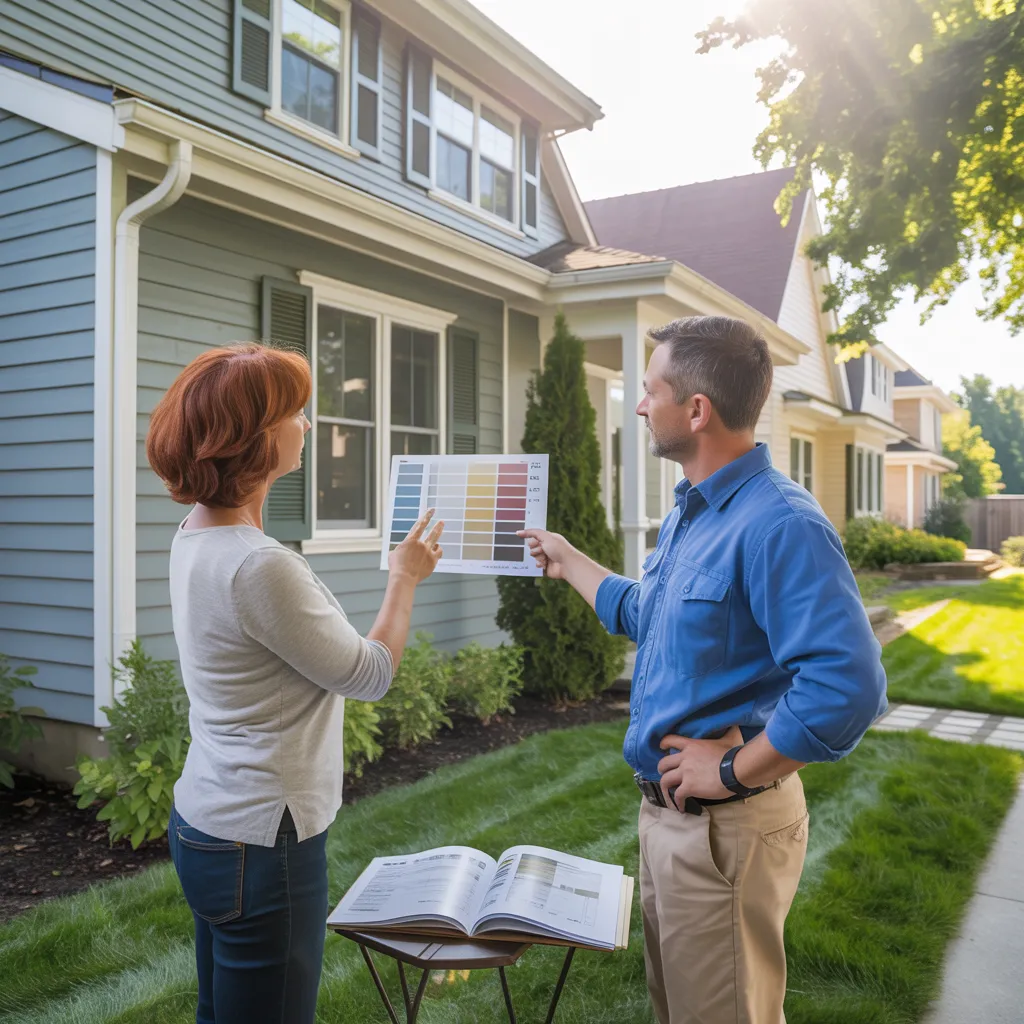
The Way Quality Siding Overcomes Standard Curb Appeal Issues
When homeowners seek to enhance their property's visual appeal, high-grade siding stands as a essential answer to common curb appeal issues. Damaged or old siding can diminish a home's character, making it appear neglected. By applying high-quality siding, homeowners can greatly improve the visual quality of their property, creating a modern and attractive appearance. New siding not only refreshes the façade but also works to defend the underlying structure from climate-related damage, thereby maintaining the home's integrity.
Furthermore, quality siding comes in a variety of colors and styles, enabling homeowners to customize their look according to individual preference and neighborhood trends. This versatility can increase a property's market value, making it more attractive to potential buyers. Ultimately, investing in quality siding addresses both immediate visual concerns and long-term maintenance issues, guaranteeing that a home stands out positively within its community.
Which Exterior Cladding Option Works Best: Vinyl, Wood, and Fiber Cement Evaluated
When selecting siding materials, homeowners routinely assess considerations including cost, strength, and aesthetic appeal. Vinyl, timber, and composite cement each present varied merits and difficulties that can shape the decision-making process. Grasping these elements enables individuals to determine the best option for their needs and inclinations.
Expense and Budget Analysis
Picking the perfect siding material includes both design choices and a detailed analysis of cost and long-term budget impacts. Vinyl siding is often the least expensive option, typically needing a smaller initial investment and minimal upkeep costs. Wood siding, however, stands as a more costly option, with elevated installation charges and persistent upkeep needs that increase over time. Fiber cement siding comes moderately, with durability that could justify its expense over time. Homeowners need to review their financial position and take into account possible expenses related to installation, maintenance, and energy efficiency for each material, ensuring an informed choice that fits their budget.
Longevity and Maintenance Requirements
Reviewing endurance and upkeep requirements is important for homeowners choosing siding materials. Vinyl siding is celebrated for its resilience, calling for little maintenance, as it prevents color loss and can be readily maintained. In contrast, wood siding delivers natural aesthetics but demands regular maintenance, such as painting or staining to protect against decay and pest damage. Fiber cement siding finds middle ground, delivering durability comparable to vinyl while offering improved protection to weather and pests. However, it necessitates regular repainting. Homeowners must examine these considerations against their habits and willingness to spend time and resources into maintenance. Ultimately, the kind of siding choice should reflect both durability expectations and maintenance preferences.
Aesthetic Attraction Options
A homeowner's selection in siding material greatly influences the property's overall aesthetic appeal. Vinyl siding provides a broad array of colors and styles, allowing homeowners to achieve a modern look with little maintenance. Its cost-effectiveness and flexibility make it a popular option. In contrast, wood siding exudes a classic charm, offering natural appeal and warmth. However, it needs more maintenance to avoid decay and fading. Fiber cement siding blends the advantages of both types, mimicking wood's look while delivering enhanced durability and low maintenance. It is available in many colors and textures, fitting various architectural styles. Ultimately, the choice among vinyl, wood, and fiber cement depends on the homeowner's design taste and maintenance commitment.
Siding Selections and How They Affect Your Utility Costs
While occupants often emphasize style when choosing siding, the impact on energy bills is just as important. Different siding materials offer diverse levels of insulation, which can greatly influence heating and cooling costs. For example, insulated vinyl siding can reduce energy consumption by minimizing heat loss during winter and heat gain in summer. By contrast, materials like wood or standard vinyl may not provide the same energy efficiency, causing higher utility bills.
Additionally, the hue and texture of siding can affect energy efficiency. Lighter shades bounce off sunlight, potentially lowering cooling costs, while darker tones absorb heat. As a result, homeowners should weigh both the visual appeal and energy performance of their siding choices. Ultimately, selecting energy-efficient siding not only improves curb appeal but also contributes to long-term savings on energy expenditures, making it an essential factor in the decision-making process.
What Measures Secure Premium Siding Installation for Lasting Outcomes?
Proper siding installation is essential for preserving its durability explore the facts and effectiveness. To realize this, homeowners should engage qualified siding experts with established expertise. These professionals appreciate the intricacies of various materials and the importance of correct alignment and dependable fastening methods.
In addition, selecting premium materials is necessary; low-grade products may deteriorate fast, jeopardizing the installation's durability. Before starting installation, the structural base must be assessed for damage or moisture problems, as these can produce significant complications later.
Comprehensive weatherproofing methods, such as installing a moisture barrier, substantially strengthen durability. Once the siding is in place, scheduled maintenance, comprising maintenance checks and cleaning, can hinder minor issues from escalating.
The Impact of Color and Texture on Making Your Home Shine
Determining the best color and texture for siding can transform a home's exterior, considerably enhancing its curb appeal. Vivid shades can draw attention and create a modern appearance, while muted tones often exude elegance and timelessness. For example, a bold blue or deep red can make a house stand out in a neighborhood, whereas soft grays and whites can create a tranquil setting.
Texture further plays a significant role; fine finishes can create a modern feel, while unpolished surfaces give a countryside charm. Combining various materials, such as wood and vinyl, can add visual depth and depth. Additionally, the choice of color and texture can reflect personal style and blend with the surrounding landscape. Ultimately, a considered selection of siding color and texture not only boosts the home’s appearance but also improves its market value, making it a prudent investment for homeowners looking to be distinctive.
Maintenance Tips to Keep Your Siding Looking New
Regular maintenance is important for preserving the appearance and lifespan of siding. Homeowners should initiate by cleaning the siding at least twice a year, using a blend of water and mild detergent. This helps remove dirt, mold, and fungus that can build up over time. Furthermore, inspecting for cracks or damage is critical; any problems should be fixed promptly to avoid further deterioration.
Using a protective sealant every few years can enhance longevity, particularly for wood siding. Homeowners should also check that drainage systems are clean to avoid water damage. Plants, like bushes or trees, should be cut back from the exterior to prevent moisture retention and insect problems.
Finally, repainting when necessary not only refreshes the hue but also serves as an extra layer of defense. Following these maintenance tips can help maintain siding looking new and extend its durability considerably.
What You Should Know About Skilled Siding Services
Maintaining siding is an vital element of home care, but when it comes to significant upgrades or replacements, professional siding services can supply invaluable expertise. Homeowners can get a thorough assessment of their existing siding condition, uncovering any dormant problems such as rot or mold. Professionals present a range of materials and styles, advising homeowners in selecting options that enhance both aesthetics and durability.
During the installation process, clients can anticipate efficient project management, securing timelines are met while curtailing disruptions. Professional technicians will handle all aspects, from extracting old siding to verifying proper insulation and moisture barriers are installed.
Upon finishing, many services include warranties, delivering peace of mind for homeowners. Additionally, professionals often coach clients on preservation methods to sustain the lifespan of their new siding. Overall, engaging professional siding services not only enhances curb appeal but also secures a quality installation that stands the test of time.
Regular Questions Asked By Customers
How Long Does the Siding Installation Process Typically Take?
Exterior siding installation usually lasts 1 to 3 weeks depending on the intricacy of the job, weather, and size of the residence. Material selection and crew scheduling can also impact the timeframe.
What Are the Best Siding Options for Harsh Weather?
For extreme weather, cement fiber, vinyl, and insulation siding are excellent options. These products provide durability, resistance to moisture, and defense from strong winds, guaranteeing homes remain safe and energy-efficient in harsh conditions.
What financing options Are offered for siding projects?
Countless homeowners find multiple financing options for siding improvements, embracing conventional loans, home equity credit options, and contractor payment programs. These possibilities can ease costs while ensuring quality materials and skilled installation for their homes.
Is Siding Installation Able to Improve My Home's Selling Price?
Installing siding can greatly increase a home's financial return. Potential buyers often place emphasis on architectural appearance and durability, making excellent siding an compelling feature that enhances overall appeal and can lead to higher offers during sales.
How Frequently Should I Refresh My Home's Siding?
Homeowners should consider updating their exterior every 20 to 40 years, depending on material quality and climate conditions. Routine evaluations can help identify deterioration and inform prompt replacement decisions, ultimately maintaining both visual appeal and structural integrity.