Experienced Siding Professionals: Enhance Your Home's Curb Appeal
Expert siding services are instrumental in forming a home's exterior. They not only enhance curb appeal but also influence property value. Choosing suitable materials and colors that complement a home's architecture is crucial. Additionally, professional installation guarantees durability and aesthetic precision. However, the choice doesn't end with installation; maintenance is equally critical. Recognizing these aspects can lead homeowners to significant benefits. What factors should one consider when making such a significant decision?
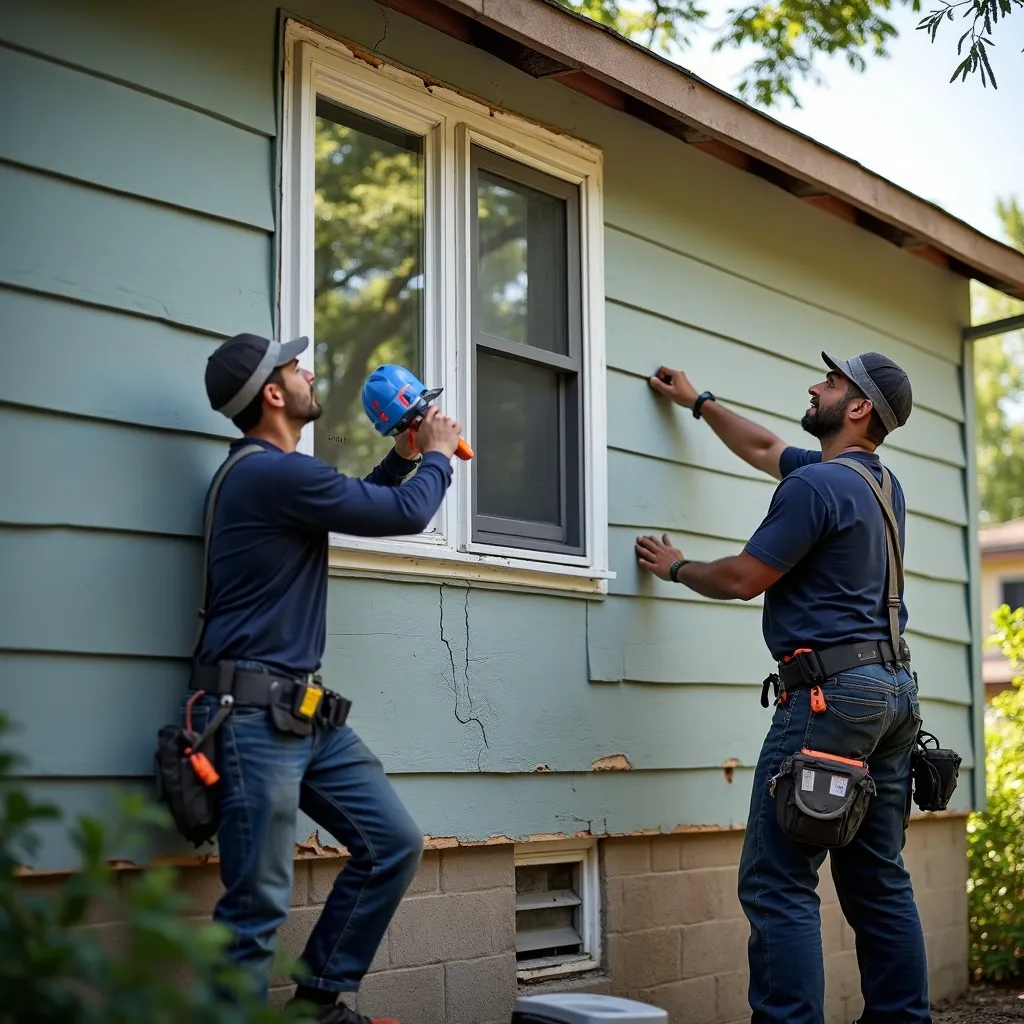
How Siding Affects Your Home's Visual Appeal
Siding functions as the outer shell of a home, significantly affecting its overall curb appeal. The selection of siding material, hue, and texture can greatly influence how a home is judged by onlookers and potential buyers as well. A properly-kept exterior establishes a friendly setting, while aging or compromised siding can detract from a home's beauty.
Distinct material choices, such as vinyl, wood, or fiber cement, each offer distinctive aesthetic qualities that can complement various architectural designs. The right siding can strengthen a home's character, making it be noticed in a neighborhood. Furthermore, the standard of installation plays a vital role; poorly installed siding can result in issues such as moisture damage, further affecting a home's appearance and longevity.
How to Choose the Best Siding Material for Your Home's Look and Cost
Picking the ideal siding material requires meticulous review of a home's architectural style and the homeowner's budget. By analyzing the distinctive attributes of the property, one can pinpoint selections that enhance its aesthetic appeal. Additionally, reviewing budget options guarantees that the chosen siding aligns with financial constraints while achieving the desired look.
Examine Your Home's Architecture
When assessing the best exterior cladding, homeowners must first examine their home's architecture to guarantee a balanced combination of style and functionality. Each architectural style—be it colonial, modern, or craftsman—has distinct characteristics that dictate suitable siding options. For example, traditional homes may work well with classic wood or vinyl siding, while contemporary designs often pair with metal or fiber cement materials. It is essential to take into account the scale, texture, and color of the siding, ensuring it matches architectural elements such as rooflines, windows, and doors. Additionally, local factors and climate should inform the choice, as certain materials perform better under specific weather conditions. Ultimately, selecting siding that improves architectural integrity will boost the overall aesthetic and value of the home.
Consider Your Financial Options
Understanding the architectural style of a home provides the foundation for selecting suitable siding, but budget factors play a vital role in the selection process. Homeowners should first establish a clear budget, accounting for labor costs, care, and potential future repairs. Multiple siding materials, such as vinyl, wood, and fiber cement, come with different costs and longevity. Vinyl siding offers affordability and easy maintenance, while wood delivers aesthetic charm but needs more maintenance. Fiber cement finds a balance between durability and cost, making it an ever-growing favored option. Ultimately, evaluating both style choices and budget constraints will direct homeowners toward selecting the best siding material that improves their home's exterior look without compromising financial comfort.
Why Professional Application Is Essential for Siding Extended Life
Professional installation is crucial in the longevity of siding by ensuring that quality materials are properly selected and utilized. Precision installation techniques not only improve visual appearance but also support the structural integrity of the siding. Ultimately, this approach leads to long-term cost efficiency, reducing the need for frequent repairs or replacements.
Superior Materials Picking
Selecting premium materials for siding is essential for enhancing both appearance and longevity. Homeowners often neglect that the choice of materials significantly shapes the lifespan and functionality of their siding. Superior options, such as fiber cement or vinyl, deliver enhanced protection to weathering and insect damage, ensuring the home is well-protected over time. In addition, quality materials can elevate the property's visual charm, contributing to improved curb appeal and possibly higher resale value. Investing in premium siding options enhances the home's appearance while minimizing the likelihood of expensive repairs or replacements later on. In summary, careful evaluation of material choices is essential for homeowners working to achieve enduring aesthetics and practical benefits in their siding projects.
Accurate Installation Approaches
Quality components are only one aspect of the formula when it comes to siding durability. Precision installation methods play a crucial role in ensuring that siding performs at its best over time. Skilled professionals understand the nuances of aligning panels, securing fasteners, and sealing joints effectively, which minimizes the risk of water infiltration and other damage. Properly installed siding can withstand harsh weather conditions, reducing the likelihood of warping, cracking, or fading. Furthermore, expert installation addresses the unique needs of various materials, enhancing their durability. This attention to detail not only enhances the aesthetic appeal of the home but also contributes to its overall structural integrity, ensuring that the siding remains a protective barrier for years to come.
Long-Term Cost Savings
Committing to professional setup for siding optimizes long-term cost efficiency. Professional installers possess the skills and understanding to deliver precisely exact fitting and positioning, reducing significantly the potential for future damage. Meticulous installation minimizes the chance of water seeping in, mold growth, and pest issues, which may lead to pricey overhauls. In addition, high-grade materials fitted by professional veterans can extend the lifespan of siding, delaying the need for unit replacements. This strategic preventive method not only safeguards the home's structural condition but also contributes to operational efficiency, lowering utility bills. In the long term, these monetary returns can markedly neutralize the initial investment in professional assistance, making it a fiscally sound decision for homeowners aiming to strengthen their property's longevity and value.
Increasing Home Value With Superior Siding Selections
Upgrading a home's exterior using high-quality facade materials can substantially improve its market value and curb appeal. Quality siding protects against the weather conditions while also acting as a critical design component that captures prospective homebuyers' attention. Materials like fiber cement, vinyl, and wood deliver multiple aesthetics and durability, addressing the requirements of diverse architectural styles.
Investing in premium siding can yield significant returns during sale, often recovering a substantial portion of the original investment. Homes featuring appealing, properly maintained siding are viewed as more inviting and well-cared-for, fostering a positive impression. Additionally, specific siding options, like those with adjustable colors and textures, allow homeowners to demonstrate individuality while improving marketability.
Ultimately, excellent siding remains an significant component in the property market, adding to a property's comprehensive appeal and comparative worth. For occupants endeavoring to optimize their investment, choosing suitable siding is required.
How New Siding Can Decrease Your Energy Bills?
Upgrading to new siding not only improves a home's visual charm but also delivers significant monetary advantages through reduced energy bills. Modern siding products, such as insulated vinyl or fiber cement, enhance energy performance by offering better insulation. This enhanced insulation helps maintain a consistent indoor temperature, reducing the need for excessive heating or cooling.
Therefore, homeowners can expect reduced monthly utility bills. Moreover, new siding can help prevent drafts and water intrusion, which can further compromise energy efficiency. Over time, these cost reductions can build up, compensating for the initial expenditure in new siding.
Furthermore, many sustainable siding options qualify for tax credits or savings offers, adding another dimension of financial incentive. By choosing the right siding, homeowners not only elevate their property's curb appeal but also create a more eco-conscious living environment that contributes in extended cost reduction.
Top Siding Styles to Think About in 2023
What cladding designs will lead the market in 2023? As residents prioritize both appearance and longevity, several important options are surfacing as preferred choices. Cement fiber siding continues popular because of its strength and selection of finishes, mimicking wood minus the maintenance issues. Furthermore, vinyl cladding maintains popularity, delivering affordability and a broad palette of colors and textures.
Another important trend is the return of natural materials, such as wood and stone, appealing to those seeking a more natural look. Furthermore, upright cladding is gaining traction, providing a modern twist that improves architectural interest. Finally, vibrant color selections, particularly deep hues, are becoming increasingly trendy, enabling homeowners to express their individuality. These siding styles not only boost curb appeal but also demonstrate a shift towards eco-friendly and fashionable home exteriors in 2023.
Maintenance Tips for Maintaining Your Siding Looking Great
Keeping siding in good condition requires consistent care to guarantee it remains attractive in appearance and functional. Homeowners should start by performing seasonal inspections to identify any indicators of wear, such as fractures or warping. Cleaning the siding at least twice a year with a mild soap and water is essential to eliminate dirt, mold, and mildew, which can degrade the material over time.
In addition, it is prudent to trim foliage that may contact the siding, as this can lead to water accumulation and insect problems. For vinyl or aluminum siding, applying a protective coating periodically can boost longevity and luster. When refinishing wood siding, using high-quality outdoor paint will help preserve its integrity against weather elements. Finally, attending to small fixes promptly can stop greater deterioration, ensuring the siding remains an appealing component of the home. Regular upkeep not only improves street appearance but also prolongs the life of the siding.
Frequently Asked Topics
What Are the Ecological Impacts of Different Exterior Wall Materials?
Distinct siding materials have different ecological footprints. Wood can prompt deforestation, vinyl may release harmful chemicals, while fiber cement is more environmentally responsible due to its resilience and decreased material needs throughout its lifecycle.
How Many Times Should I Swap Out My Siding?
Siding typically needs replacement every 20 to 40 years, contingent on material quality and care. Routine inspections can assist in determining the suitable timing for replacement, making certain the home stays protected and visually appealing.
Can I Put in Siding Myself, or Should I Hire a Pro?
He weighed putting in siding himself but eventually decided to hire a professional. The intricacies of installation process and ensuring proper insulation and aesthetics convinced him that expert assistance would generate improved long-term outcomes and durability.
What Coverage Options Are Available for Siding Options?
Numerous coverage options are accessible for siding products, including manufacturer's warranties, which typically address defects, and labor warranties from installation companies. Duration and coverage details differ, so examining specific context information terms before purchase is important for homeowners.
What payment alternatives are available for new siding installation?
Numerous siding installation providers offer financing options, including installment plans and low-interest loans. Homeowners ought to ask regarding available financing solutions to manage costs effectively while improving their home's curb appeal and worth through new siding.